
What Will 75+ Consumers Want Five Years From Now?
Senior living is standing at a crossroads. The field’s traditional model—built for a different generation—is no longer aligned with the expectations of baby boomers who are redefining what it means to age. According to numerous surveys, including one by A Place for Mom, nearly 90% of older adults say they never want to live in senior living.
Why? Because too many people still see senior living as “the place you go to die.”
If we are serious about attracting baby boomers — the largest cohort in U.S. history — we must reinvent the product itself.
The future of housing for older adults will be Longevity Communities: Places designed to make it easier and more enjoyable for people to do what they need to do to live healthier, happier and longer lives.
Why Longevity?
At its core, “longevity” is about improving healthspan, not just lifespan—living better for longer. This is what baby boomers are looking for.
Baby boomers expect their later years to be vibrant decades, not twilight years; They intend to live at 70 as though they were still 40. They aspire to remain physically strong, mentally sharp, sexually active and socially connected well into later life. Yet they face daunting odds: According to the CDC, 70% of adults aged 55–64 already live with at least one chronic disease; 85% of those older than 65 do. So there are millions of older adults striving to “live their best lives” in spite of aches & pains, hip replacements and a chronic disease or two.
In short, boomers want longevity — not just in years lived, but in vitality preserved. A Longevity Community delivers precisely that promise.
The Scientific Foundation: The 4 Ps of Scientific Wellness
Create the Community of Tomorrow
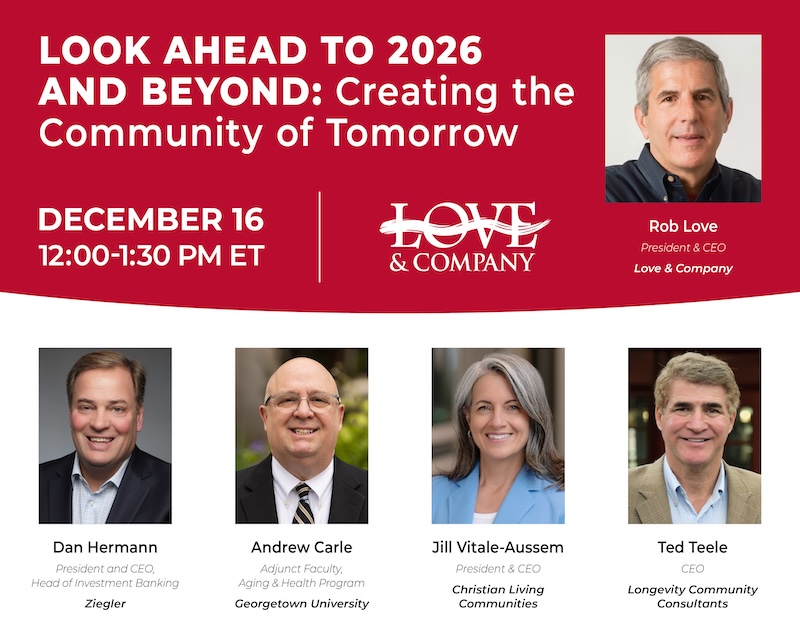
With 2026 opening unprecedented opportunities for nonprofit growth, now is the time to rethink what the community of the future must be. In our December 16, 2025 webinar, Love & Company President & CEO Rob Love, and a panel of senior living thought leaders discussed how organizations can grow strategically to meet the expectations of tomorrow’s prospects.
Senior living providers have invested heavily in wellness programs, yet these efforts often go unrecognized in the marketplace. The main reason: The true health and longevity benefits of these investments have rarely been measured in a consistent, scientific way. That’s precisely where Scientific Wellness makes a difference.
The foundation of Longevity Communities is Scientific Wellness, a framework pioneered by Leroy Hood, MD, PhD, and Nathan Price, PhD, and articulated in their book The Age of Scientific Wellness. Unlike traditional wellness, which often lacks measurable outcomes, Scientific Wellness is designed to generate measurable results. Its four pillars create a structured path:
- Predict disease before it manifests clinically.
- Prevent disease progression when early signals are found.
- Personalize recommendations using an individual’s biology, genetics and lifestyle.
- Participate actively in one’s health through ongoing measurement and engagement.
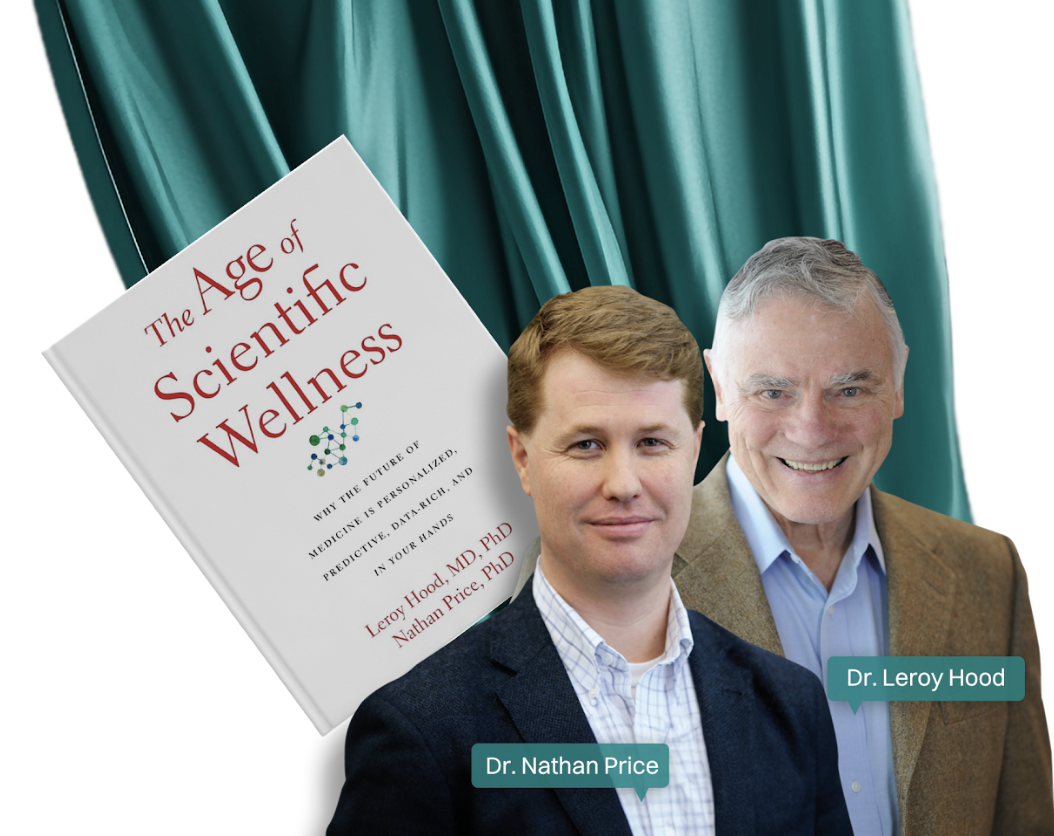
Figure 1: The 4 P’s of Scientific Wellness (adapted from Hood & Price, 2023)
In practice, this means residents and community members begin with precision health assessments — blood panels, microbiome, imaging and cognitive evaluations. Using digital twin technology, their unique biology is simulated and compared to large anonymized datasets using AI, enabling personalized interventions and lifestyle prescriptions. Repeating these assessments every 6–12 months provides objective, evidence-based data to track progress and validate outcomes.
Making Health Easier — and More Fun
Lifestyle changes that extend life are well known: Diet, exercise, social connection, stress reduction, sleep and brain training. Yet most people struggle to sustain them. Longevity Communities succeed where others fail because they make healthy living:
- Easy: Everything is available on site, coordinated and tracked through a personalized portal.
- Fun: Programming is delivered in groups, through clubs and in social rituals that make healthy behavior enjoyable.
Imagine not just a fitness center, but a Polar Bear Club where neighbors gather for weekly “cold plunge” dips, followed by hot tea and laughter. Or a BrainBoosters Club where friends play cognitive games and other brain healthy activities. Or a Longevity Kitchen teaching residents how to cook meals designed to lower inflammation and boost energy.
To enhance enjoyment, Longevity Communities gamify everything. Imagine forming BrainBoosters teams with fun names like “The Mindful Mob,” “The Cortex Commanders” and “The Memory Makers.” Imagine a winning team hoisting “The NeuroStar Trophy” and wearing special pins around the community! These social events and group milestones will celebrate progress and foster connection.
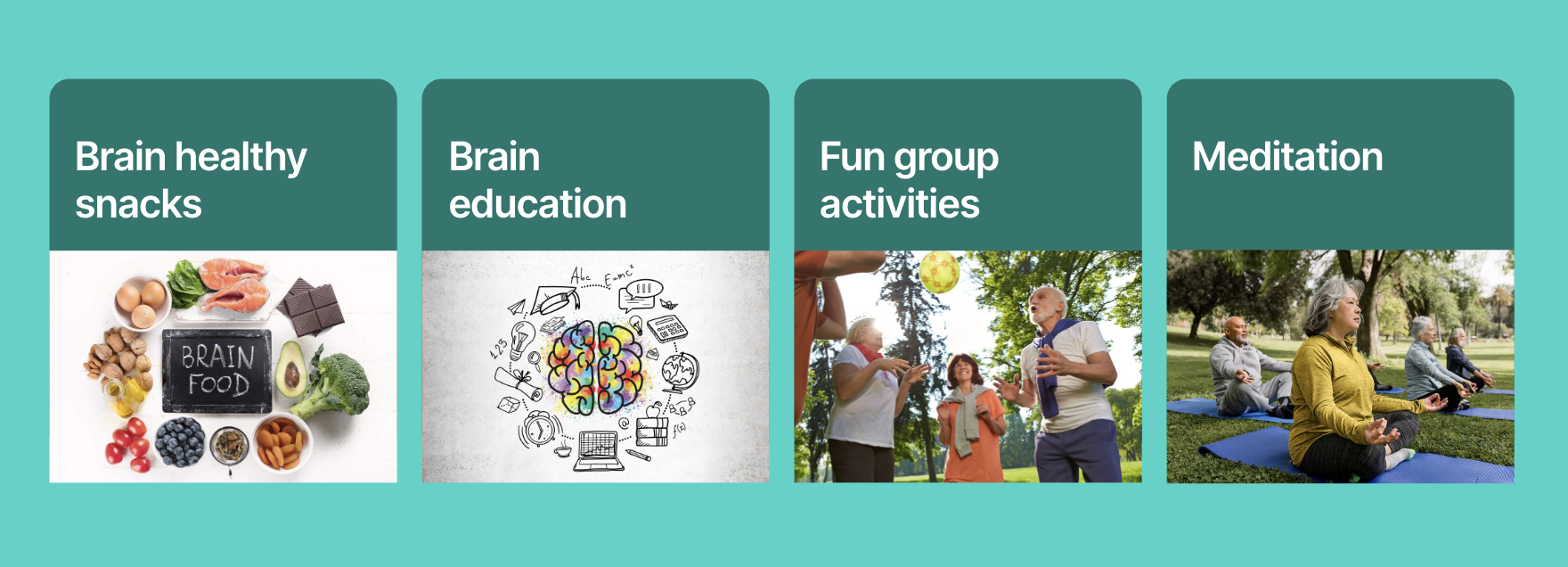
Figure 2: Examples of Longevity Programming (from “Blueprint for Healthy Aging” White Paper)
The essence of these communities is engineered joy — living well together, not just living longer.
Cognitive Health: The #1 Concern
Brain health deserves special focus. In a recent survey conducted by Love & Company of 1,600 older adults considering senior living, the top aging-related concern identified was “Alzheimer’s, dementia and other cognitive challenges.” Just as importantly, 73% of respondents reported that a robust brain health program would positively influence their decision to move into a retirement community.
I’m collaborating closely with Sequoia Living’s leadership team and the Tamalpais Marin community to develop BrainBoosters Marin, a pilot launching in early 2026. The initiative leverages Scientific Wellness to help residents strengthen memory and cognitive function through evidence-based, enjoyable experiences. Studies like the Finnish FINGER and U.S. POINTER trials have demonstrated that Scientific Wellness-guided lifestyle interventions can slow or even reverse cognitive decline, underscoring the value of programs like this one.
As Sequoia’s Chief Experience Officer and BrainBoosters’ Project Lead Paula Rathgaber-Gomez puts it: “93% of our residents and future residents surveyed are interested in joining BrainBoosters to enhance their cognitive health. That tells us this program is exactly what people want—and we are committed to making it an accessible, joyful, and science-based part of daily life at the Tamalpais Marin.”
Two Pathways: Residential and Day Club Models
Longevity Communities are not limited to those who move in. There are two models emerging:
- Residential Longevity Communities: housing environments that fully integrate Scientific Wellness in an enjoyable way into daily living. These can be roughly divided into 55+ and 75+ residential Longevity Communities, although both can add additional revenue from nonresident members.
- Longevity Day Clubs: an initiative by Pilar Carvajal, CEO of Innovation Senior Living, offers a groundbreaking option for those who want to age in place while staying active and supported. These membership-based centers provide a rich mix of social connection, Scientific Wellness-based brain and whole-body programs, support services, transportation and even overnight monitoring when needed.
This dual approach gives baby boomers exactly what they’re asking for: choice, flexibility, and engaging alternatives that go far beyond traditional wellness offerings. Whether through residential living or day club membership, members gain access to enjoyable, evidence-based tools to stay healthy, connected and independent.
At the same time, this approach is reshaping three industries–senior living, active adult communities and adult day care–by offering a high-value, measurable solution rooted in the latest longevity science.
The Business Case: Why Providers Should Care
Reinventing senior housing is not just altruistic; it is strategic. Longevity Communities offer:
- Broader Market Appeal: moving beyond the 10% of seniors open to traditional senior living and attracting the much larger segment interested in an easier and more enjoyable way to live healthier, happier and longer.
- Revenue Diversification: from both residents and non-resident members.
- Healthcare Alignment: Medicare will cover some testing and therapies, offsetting costs.
- Marketing Advantage: positioning as “the place you go to live healthier, happier and longer” rather than “the place you go to die.”
For providers evaluating new sites, the choice is stark: Replicate yesterday’s model and risk stagnation or embrace longevity and lead the market into the future.
A Personal Note
This vision is not academic for me. After undergoing quintuple bypass surgery in 2019, I immersed myself in longevity science to extend my own life expectancy. That journey inspired me to launch Longevity Community Consultants and more recently BrainBoosters of America to bring these ideas to life in partnership with innovative providers.
I am convinced that Longevity Communities represent not just a business opportunity but also a societal imperative.
Closing Thoughts: Change the Product, Not Just the Marketing
We cannot expect baby boomers to flock to communities that look and feel like yesterday’s senior living.
To build the communities of the future, we must change the product itself. We must offer environments where health is optimized, purpose is cultivated and joy is engineered.
In other words, if you want to attract the consumer of tomorrow, stop building senior living. Start building Longevity Communities!